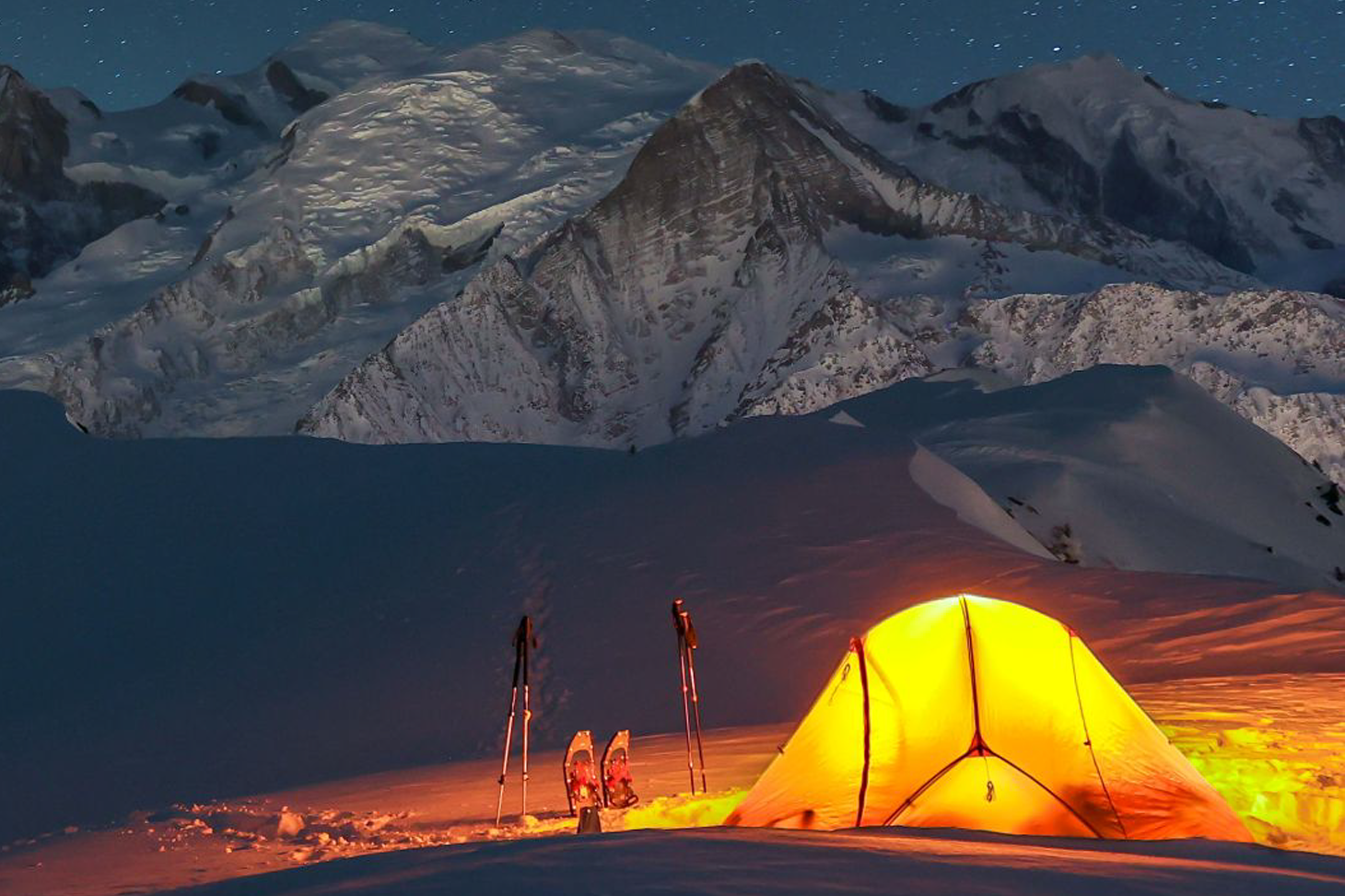
Where does our environment end? The world we know rarely extends beyond our highest mountains. Yet every night, our familiar horizon fades away, giving way to distant landscapes far less familiar than snow-capped peaks.
At night, planets, nebulae, and galaxies join forests, cities, and glaciers to create magnificent and moving scenes. These scenes are all the more striking because the starry sky is one of the few shared heritage sites we have in common with all of humanity and the natural world. A heritage that is both accessible and fragile. It was in Grenoble in 1976 that astronomers from around the world first raised the alarm about the need to protect the night sky from human activities.
On the occasion of the 2026 conference of the French Society of Astronomy and Astrophysics, the Grenoble Observatory of Universe Sciences invited photography enthusiasts to create an exhibition using their photos, in order to highlight the strong connection between the mountains and the starry sky. Middle and high school students took on the role of exhibition curators and selected the works that resonated most with them, alongside astronomers from the Grenoble Institute of Planetology and Astrophysics, one of the OSUG’s member laboratories.
By bringing together the perspectives of photographers, astronomers, and students, “From Mountains to the Starry Sky” seeks to unite people around a shared emotion: that of belonging to a world in which the beauty of the sky and the Earth are one.
Share the linkCopyCopiedClose modal windowShare this page's URLI recommend this page:Available at this address:The page will then be accessible from your "My Favorites" menu.Stop the videoPlay the videoMutePlay soundChat: Any questions?Chatbot Robo FabricaMatomo traffic statisticsX (formerly Twitter)