An iconic location on the Route des Grandes-Alpes, the Lautaret Garden was created in 1899 on the initiative of Jean-Paul Lachmann, Chair of Botany at the University of Grenoble. He chose to establish his botanical garden at the Lautaret Pass, at an altitude of over 2,000 meters, because of the area's abundant biodiversity, linked to the altitude gradient and the great geological and climatic richness of the site.
This garden has a threefold purpose: to maintain a vast collection of alpine plants, to be a center of science where cutting-edge scientific research can be carried out, and to disseminate scientific knowledge to as many people as possible. More than 125 years later, this raison d'être has not aged a bit!
Bird kiosk and historic chalet seen from the Balkan Mountains
In an incredible landscape setting, 2,000 plant species acclimatized to extreme living conditions, are presented by geographical origin, living environments, botanical classification, and medicinal, toxic, or nutritional properties. Each step takes visitors to a new continent, in a botanical and dreamlike journey around the worldSurrounded by mountains on all sides, the garden winds its way between streams, pontoons, ponds, reconstructed habitats, natural meadows, historic chalets, century-old trees, bird gazebos... until it reaches this unique view of the Meije glaciers, reflected in the water of a small pond, surrounded by flourishing vegetation.
The Lautaret Garden is open to visitors every year from the first weekend in June to the first weekend in September. Numerous activities are scheduled, including guided tours, concerts, shows, botanical watercolor workshops, astronomy discovery workshops, participatory science workshops, meetings, conferences, exploration games, and behind-the-scenes scientific tours.
But the Lautaret garden is much more than just a tourist garden !
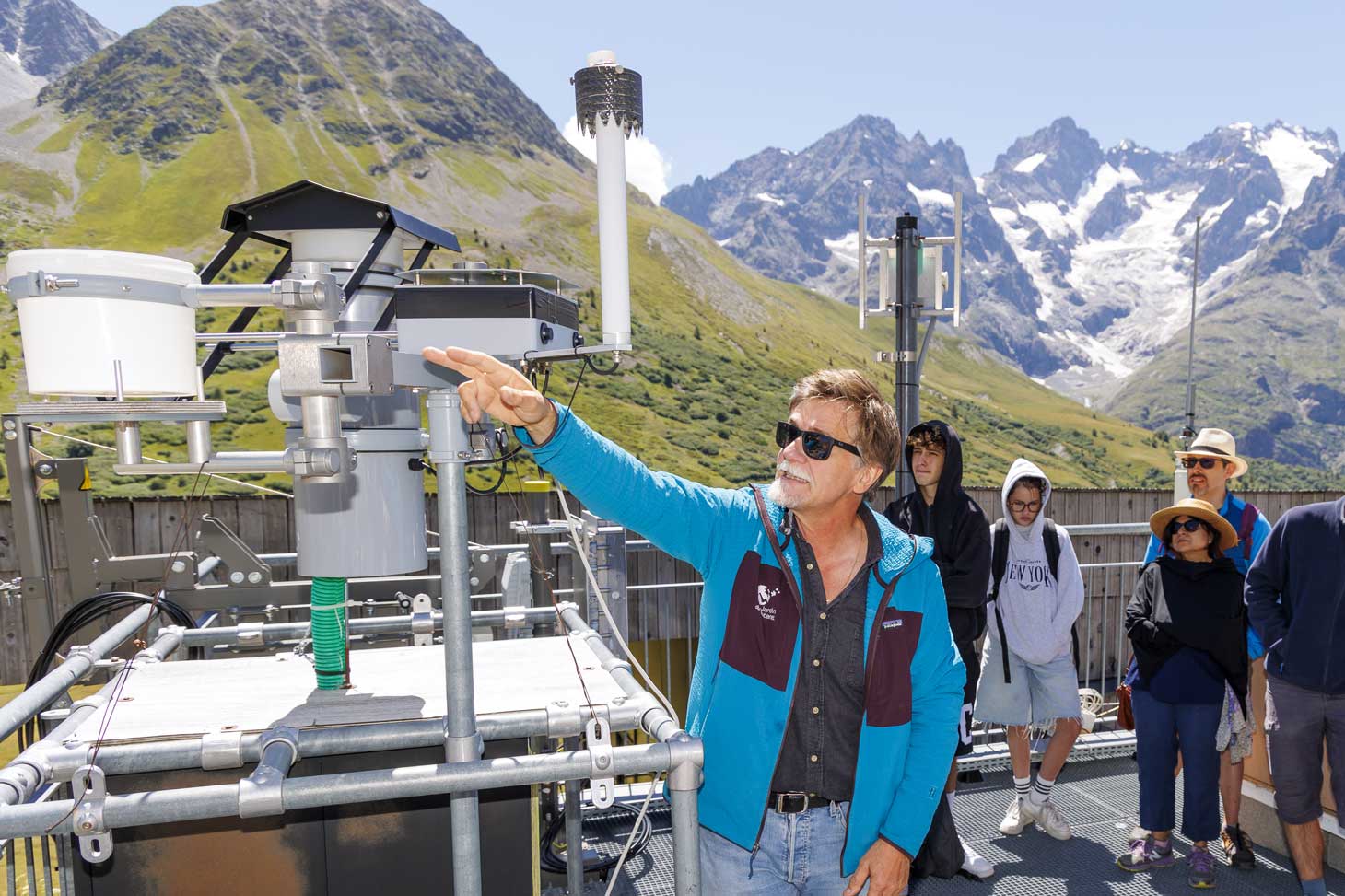
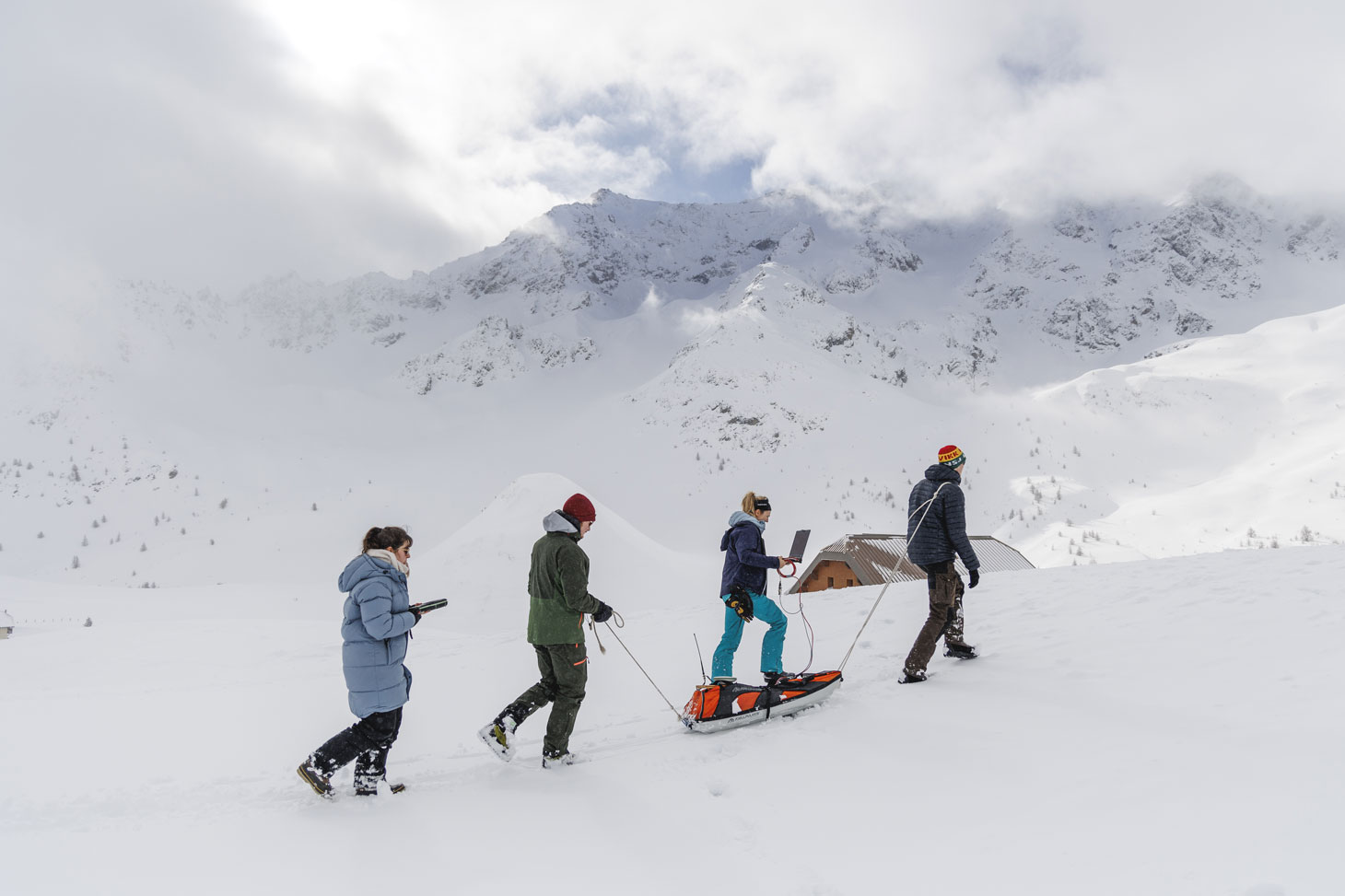
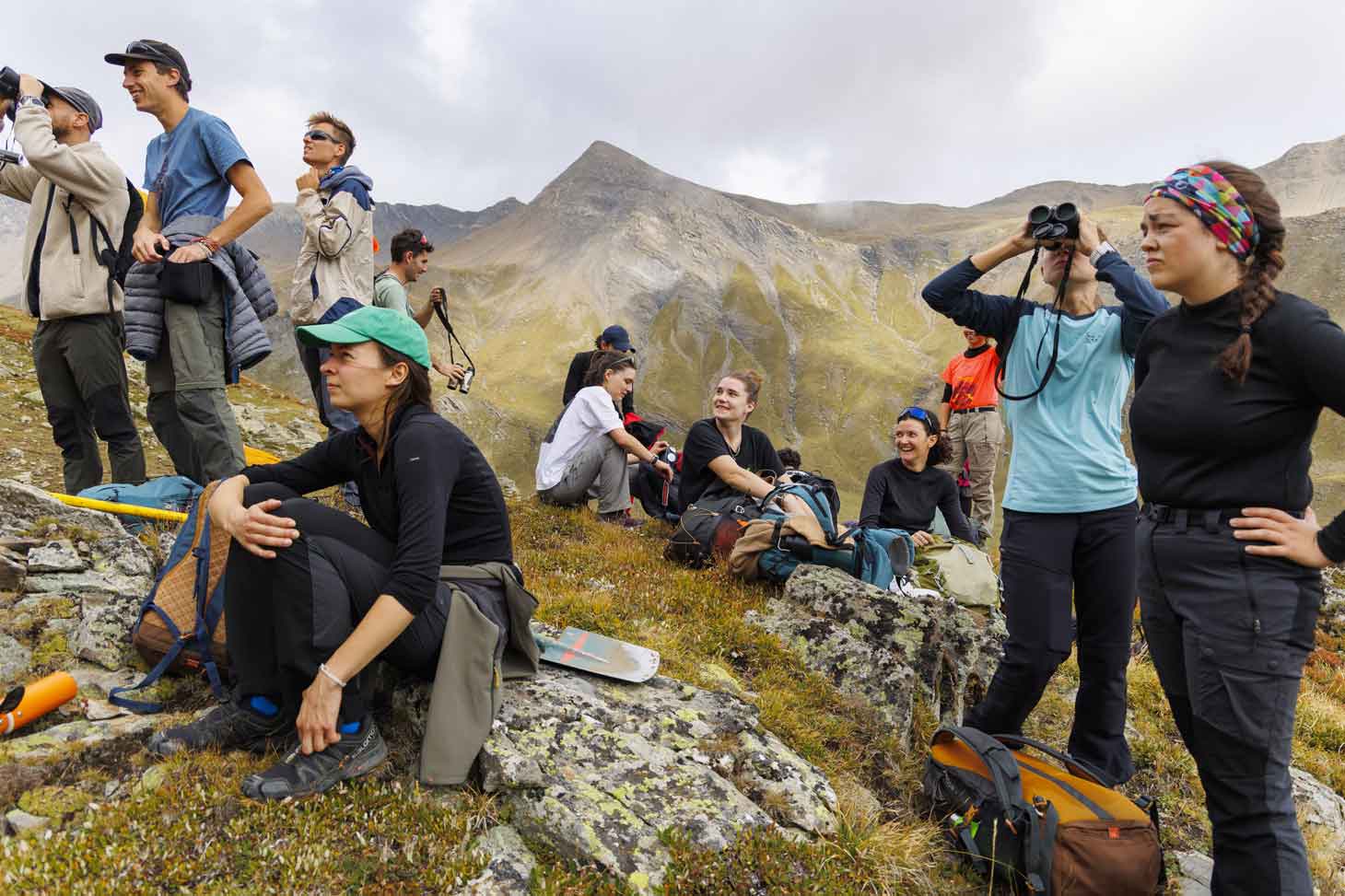
It is one of the scientific research centers of Université Grenoble Alpes the CNRS in the fields of ecology, the environment, the Earth, and the Universe. Researchers from around the world come here to study and experiment with the effects of global changes, both climatic and human, in mountainous regions. Many students and doctoral candidates also come here for internships, training courses, or field school, both in summer and winter.
Published on February 12, 2019 Updated on January 15, 2026
Location
Administration, herbarium, and experimental greenhouses
Université Grenoble Alpes Lautaret Garden
2233 rue de la piscine
Ground floor, Building D, Biology
38610 Gières Access map
Lautaret Garden
Col du Lautaret
05480 Villar-d'Arène Access map
Share the linkCopyCopiedClose modal windowShare this page's URLI recommend this page:Available at this address:The page will then be accessible from your "My Favorites" menu.Stop the videoPlay the videoMutePlay soundChat: Any questions?Chatbot Robo FabricaMatomo traffic statisticsX (formerly Twitter)


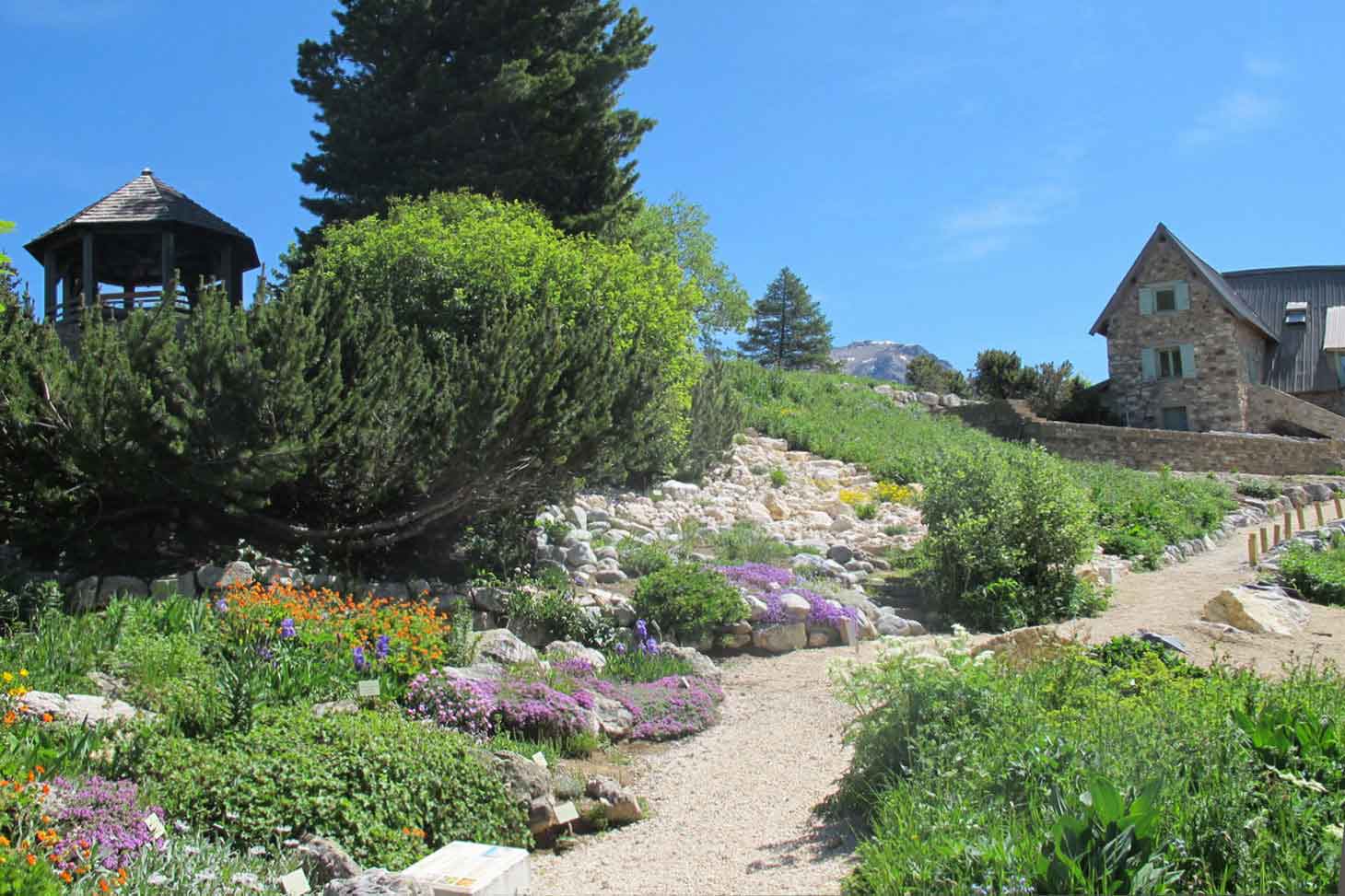 Bird kiosk and historic chalet seen from the Balkan Mountains
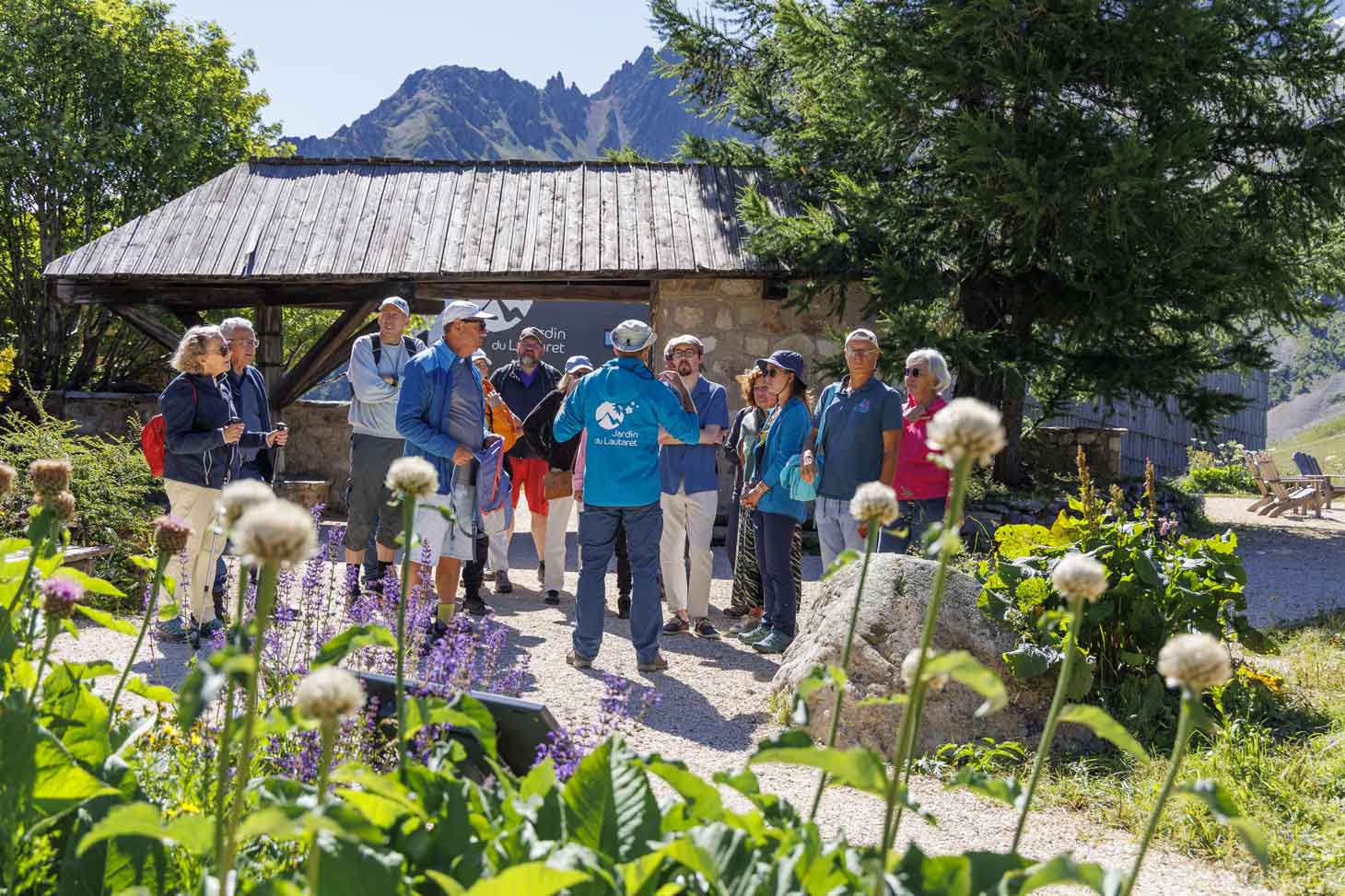 Guided tour of the Lautaret garden © CNRS Images / Thibaut Vergoz